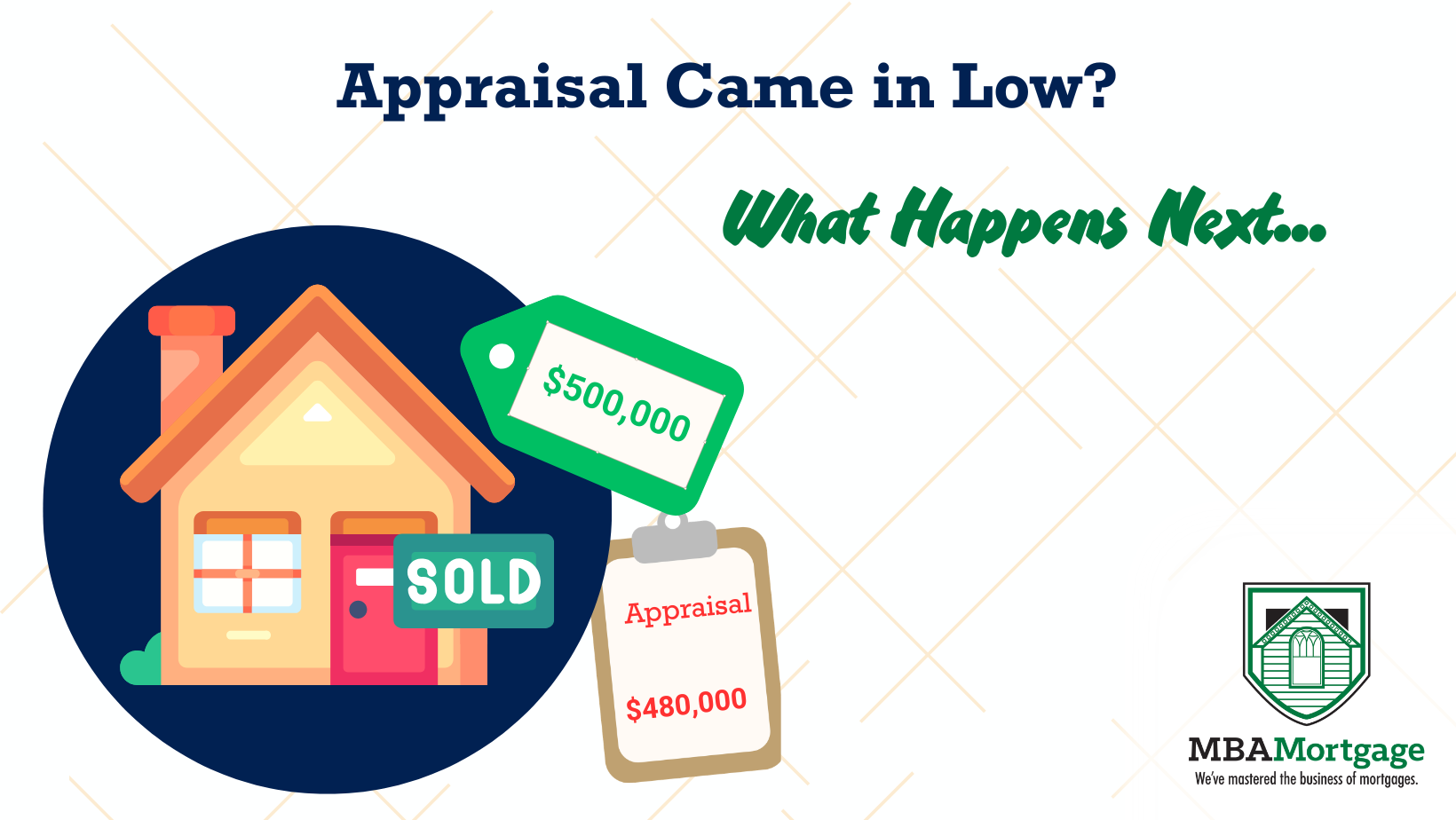
If you're wondering about things that can delay closing, some of the biggest problems are surprisingly avoidable…
Appraisal Required Repairs: What Can Stop Your Mortgage From Closing?
Buying a home is exciting, but it can also come with unexpected hurdles. One of the most common surprises for buyers and sellers is discovering that a home needs appraisal required repairs before the loan can move forward. Many people assume an appraisal is simply about determining a home’s value. While that’s certainly part of the process, some mortgage programs also require the appraiser to evaluate whether the property meets minimum standards for safety, security, and livability. If certain issues are found, repairs may be required before closing.
Understanding these required repairs can help buyers avoid delays, sellers prepare their homes, and everyone involved feel more confident throughout the transaction.
What Are Appraisal Required Repairs? 
Appraisal required repairs are repairs identified during the appraisal process that must be completed before a lender will approve the mortgage. Not every loan program has the same property requirements. Conventional loans generally focus on whether the property provides acceptable collateral for the loan, while government-backed loans such as FHA and VA have additional minimum property standards designed to ensure the home is safe, sound, and sanitary.
The purpose isn’t to guarantee that a home is perfect. Instead, lenders want to ensure that significant health, safety, or structural concerns are addressed before financing the property.
Why Do Some Loans Require Repairs?
When a lender approves a mortgage, they’re making a long-term investment in the property along with the borrower. If a home has major structural problems, safety hazards, or systems that aren’t functioning properly, it may affect both the home’s value and the buyer’s ability to safely occupy it. That’s why certain loan programs require repairs before closing rather than allowing those issues to be addressed afterward.
Although buyers sometimes become frustrated when repairs are required, these standards often protect both the borrower and the lender from purchasing a home with significant hidden problems.
Conventional Loan Appraisal Required Repairs
Many buyers believe conventional loans have no property standards. While conventional financing is generally more flexible than FHA or VA loans, that doesn’t mean every property automatically qualifies. Conventional appraisers primarily determine market value and note significant deficiencies that could affect the property’s habitability, marketability, or structural integrity.
Some common issues that may require attention include:
- Structural or roof damage
- Significant water damage
- Active pest infestations
- Environmental hazards
- Major safety concerns
- Missing or inadequate utilities that prevent the home from functioning properly
Cosmetic issues rarely create problems for conventional financing unless they indicate a larger underlying concern.
FHA Appraisal Required Repairs
FHA loans are known for making homeownership more accessible, but they also have stricter property standards. FHA appraisers evaluate whether the home meets minimum property requirements designed to ensure it is safe, secure, and livable.
In addition to many of the concerns found in conventional appraisals, FHA appraisal required repairs often include:
- Peeling or chipping paint on older homes
- Missing handrails on stairways
- Windows that cannot properly open or provide emergency egress where required
- Exposed electrical hazards
- Broken exterior doors that don’t properly secure the property
- Significant trip hazards
One of the most common surprises involves peeling paint on homes built before 1978. Because older paint may contain lead, deteriorated paint often must be repaired before an FHA loan can close.
Many buyers mistake an FHA appraisal for a home inspection. They’re not the same. An appraisal is designed to determine value while identifying minimum property issues that affect loan eligibility. A home inspection is a much more detailed evaluation of the home’s overall condition.
VA Appraisal Required Repairs
VA loans also require homes to meet minimum property requirements. These standards help ensure that Veterans and eligible military borrowers purchase homes that are safe and move-in ready. Some common appraisal required repairs for VA loans include:
- Peeling paint
- Missing handrails
- No functional heating system
- Significant roof defects
- Unsafe electrical conditions
- Evidence of moisture intrusion
- Broken windows affecting safety or security
Unlike cosmetic imperfections, these issues may delay closing until they’re corrected. Again, the goal isn’t perfection, it’s ensuring the home provides a safe living environment for the borrower.
Repairs That Usually Don’t Matter
One of the biggest misconceptions surrounding appraisal required repairs is that every cosmetic flaw must be fixed. Fortunately, that’s not the case. Minor cosmetic issues generally do not require repairs, including:
- Worn carpeting
- Outdated kitchens
- Minor drywall imperfections
- Older cabinetry
- Interior decorating choices
- Cosmetic landscaping concerns
These items may influence a home’s value, but they typically won’t prevent financing unless they point to a larger structural or safety issue.
Who Pays for Appraisal Required Repairs?
This is one of the most common questions buyers ask. The answer depends on the purchase contract and negotiations between the buyer and seller. In many cases, the seller agrees to complete the required repairs before closing. Sometimes buyers negotiate credits or price adjustments if the loan program allows it. In other situations, buyers may choose to switch loan programs if appropriate. Every transaction is different, which is why it’s important to work closely with your real estate agent and loan officer when appraisal issues arise.
Can Appraisal Repairs Delay Closing?
Yes.
If repairs are required, the work generally must be completed before the lender can issue final approval. Depending on the repair, the appraiser may need to return to the property to verify that the work has been completed. This additional inspection can add time to the closing process. Fortunately, many required repairs are relatively minor and can be resolved quickly when everyone communicates effectively. Planning ahead and addressing obvious concerns before listing or purchasing a home can significantly reduce the chances of delays.
How Buyers Can Avoid Appraisal Surprises
While no one can predict every appraisal outcome, buyers can reduce the likelihood of unexpected repair issues by looking beyond cosmetic appearance during showings.
Pay attention to items like:
- Roof condition
- Water stains on ceilings or walls
- Damaged stair railings
- Peeling exterior paint
- Broken windows
- Obvious electrical concerns
- Signs of moisture or foundation movement
If you’re purchasing with FHA or VA financing, it’s especially helpful to understand the property’s condition before submitting an offer. An experienced loan officer can also explain how different loan programs may affect the property’s eligibility.
Appraisal Required Repairs Are Meant to Protect You
Although appraisal repair requirements sometimes feel frustrating, they’re designed to reduce risk—not create unnecessary obstacles. Many of the issues identified involve legitimate safety concerns that buyers may not immediately recognize during a walkthrough. Addressing those concerns before closing often protects homeowners from larger expenses and safety issues after moving in.
Instead of viewing appraisal required repairs as a roadblock, think of them as an additional layer of protection built into the financing process.
Final Thoughts
Every mortgage program has different property standards, and understanding appraisal required repairs before you begin your home search can help you avoid unnecessary surprises. Conventional, FHA, and VA loans all evaluate properties differently, but they share one common goal: ensuring the home provides appropriate collateral and, in many cases, a safe place to live.
If you’re unsure which loan program is right for your situation or have questions about how property condition could affect your financing, speaking with an experienced mortgage professional early in the process can save time and reduce stress.
For additional information about appraisals and consumer protections, the Federal Reserve provides guidance on appraisal regulations here:
https://www.federalreserve.gov/frrs/guidance/frequently-asked-questions-on-the-appraisal-regulations-and-the-interagency-appraisal-and-evaluation-guidelines.htm
If you’re preparing to buy a home and want guidance on choosing the right loan program, we’re here to help. Contact the MBA Mortgage Team to discuss your options and get personalized advice before you start shopping for your next home:
https://www.mbamortgageteam.com/contact-us/
Related Posts