
As temperatures drop in New England, preparing your property for the colder months becomes essential—not…
Summer Home Maintenance Tips Every Homeowner Should Know
Owning a home comes with more responsibility than most people expect. The work doesn’t stop once the keys are handed over—and summer is one of the most important seasons for protecting your property. Many homeowners focus on winter preparation because the risks feel obvious. However, summer home maintenance is just as important when it comes to preventing expensive repairs, preserving property value, and keeping your home running efficiently.
Heat, humidity, storms, heavy rain, pests, and increased utility usage can quietly create issues that become much larger problems later. The good news is that consistent summer home maintenance doesn’t need to feel overwhelming. A few proactive steps can help homeowners avoid unnecessary stress and costly surprises.
Here are some of the most important summer home maintenance tasks homeowners should prioritize during the warmer months.
Start With Your HVAC System
Few things become more obvious during the summer than an air conditioning issue. Your HVAC system works harder during hot weather, which makes summer one of the most important times to stay ahead of maintenance. Replacing air filters regularly helps improve airflow, supports efficiency, and reduces strain on the system itself. It’s also worth paying attention to signs that your system may need servicing, including uneven cooling, weak airflow, unusual noises, or rising electric bills. Outdoor condenser units should remain clear of debris, overgrown plants, and grass clippings. Restricted airflow can reduce efficiency and increase wear over time.
Routine summer home maintenance on your HVAC system can help extend its lifespan while reducing the chances of unexpected breakdowns during peak heat.
Check Windows and Doors for Air Leaks
Many homeowners assume draft issues only matter during winter. In reality, poorly sealed windows and doors can significantly impact cooling costs during summer as well. Small gaps around windows and entry points allow cool air to escape while forcing your system to work harder to maintain indoor temperatures. Inspect weatherstripping, door seals, and caulking around windows for cracks or deterioration. Addressing these issues early is one of the simplest summer home maintenance tasks homeowners can complete—and it often improves comfort immediately. This is especially important during periods of extreme heat when energy usage tends to spike.
Pay Attention to Gutters and Drainage
Summer storms can create major water issues if drainage systems are ignored. Clogged gutters and downspouts may lead to roof damage, foundation concerns, siding issues, or water intrusion around the home. Many homeowners only think about gutters during the fall, but summer debris, storms, and heavy rainfall can create problems long before leaves become an issue.
Walk around the property and check for:
- Overflowing gutters
- Standing water near the foundation
- Loose downspouts
- Visible sagging or separation
Summer home maintenance should always include making sure water is moving away from the property correctly. Water issues rarely stay small for long.
Inspect the Exterior of Your Home
Warm weather creates the perfect opportunity to evaluate the outside of your property more closely. Walk around the home and inspect siding, trim, decks, railings, walkways, and foundations for signs of wear or damage. Cracked paint, warped boards, loose railings, or deteriorating caulking may seem minor now, but exposure to heat, moisture, and sun can accelerate deterioration over time. Summer home maintenance is often about identifying small problems before they become expensive ones.
Decks deserve particular attention during summer because they experience increased foot traffic and weather exposure. Check for loose boards, protruding nails, splintering wood, or areas that may need resealing. Simple maintenance now can help avoid much larger repairs later.
Trim Landscaping Away From the Home
Overgrown landscaping creates more than just cosmetic issues. Bushes, tree branches, and dense vegetation placed too close to the home can trap moisture, restrict airflow, encourage pests, and damage siding or roofing materials over time.
Summer home maintenance should include trimming trees and shrubs away from: 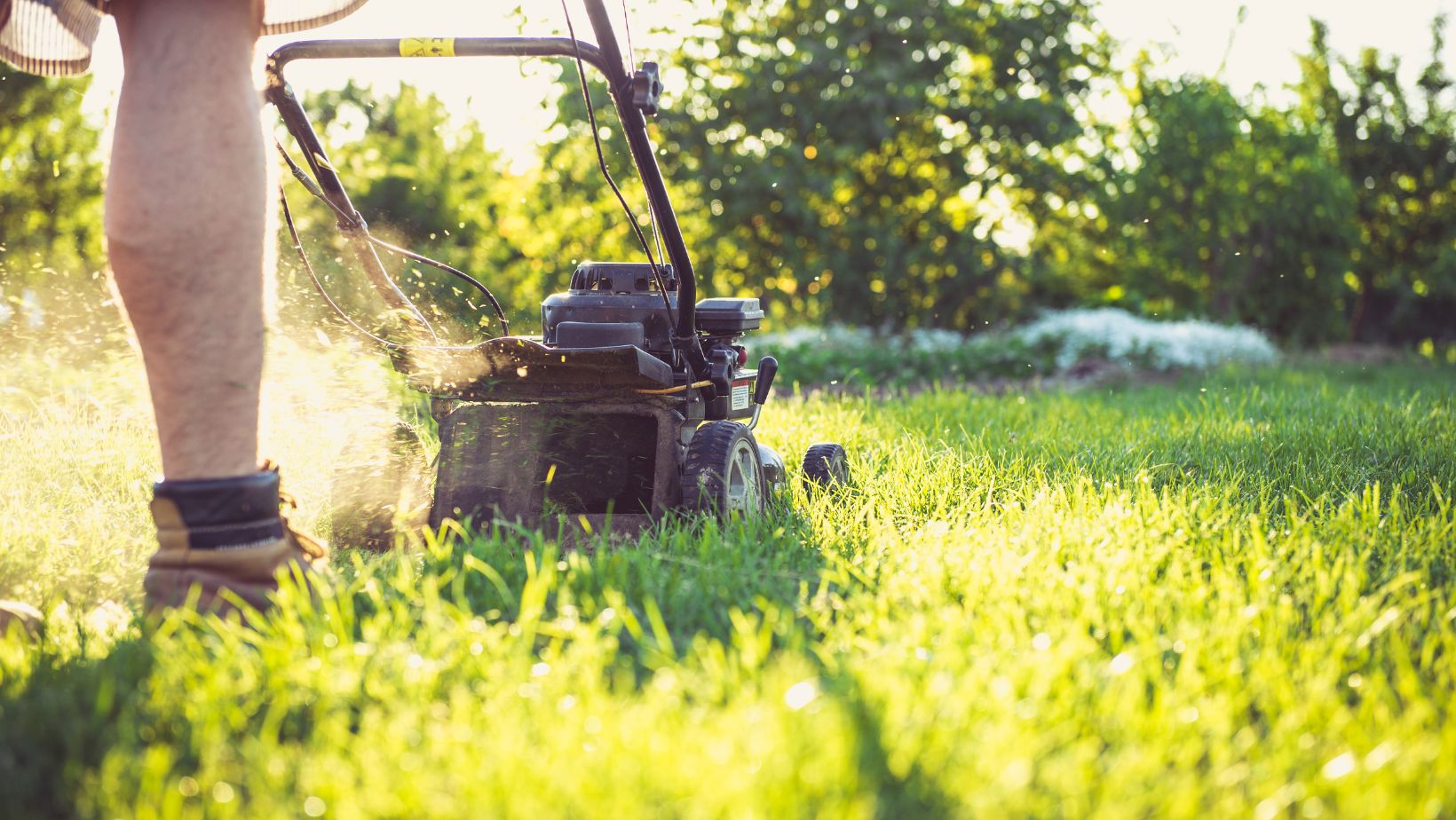
- Rooflines
- Windows
- HVAC units
- Gutters
- Siding
Keeping vegetation maintained also helps reduce the likelihood of insect activity near the property. During summer months, pests become much more active, and unmanaged landscaping can create easy access points into the home.
Check for Signs of Water Damage or Moisture
Summer humidity can quietly create moisture problems that homeowners miss until damage becomes visible. Pay close attention to basements, crawl spaces, attics, and areas around windows or plumbing fixtures. Musty odors, discoloration, peeling paint, or condensation buildup may indicate hidden moisture concerns. This part of summer home maintenance is especially important because water damage often develops gradually. By the time it becomes obvious, repairs are usually far more expensive. A dehumidifier may help in areas prone to excess moisture during humid summer weather.
Test Safety Devices Around the Home
Summer often means travel, cookouts, outdoor equipment, and increased electrical usage—all of which increase safety risks if systems aren’t functioning properly.
Take time to test:
- Smoke detectors
- Carbon monoxide detectors
- GFCI outlets
- Outdoor lighting
- Security systems
Replace batteries where needed and make sure emergency systems are operating correctly. If you plan to travel during the summer, additional preparation matters as well. Pausing mail delivery, setting interior lights on timers, and having someone periodically check the property can help reduce security concerns while away.
Summer home maintenance is not just about preserving the property itself—it’s also about protecting the people living in it.
Pressure Wash and Clean Outdoor Surfaces
Summer is one of the best times to clean exterior surfaces that accumulate dirt, mildew, pollen, and debris throughout the year. Driveways, patios, decks, siding, fences, and walkways all benefit from seasonal cleaning. Beyond appearance, removing buildup can help preserve materials and reduce long-term wear. This is one of the most visible summer home maintenance projects homeowners can tackle, and it often improves curb appeal immediately. For homeowners considering future refinancing, renovations, or eventual resale, maintaining exterior appearance consistently can help preserve overall property value.
Prepare for Summer Storms
Summer weather can change quickly, especially in areas prone to strong storms or heavy rainfall. Outdoor furniture, grills, umbrellas, and loose yard items should be secured when severe weather is expected. Tree limbs hanging over roofs, driveways, or power lines should also be evaluated before storm season intensifies. Power outages are more common during summer storms, so homeowners should know where flashlights, batteries, and emergency supplies are stored. Preventative summer home maintenance often comes down to minimizing avoidable risks before bad weather arrives.
Don’t Ignore Small Repairs
One of the biggest mistakes homeowners make is postponing small repairs because they don’t feel urgent. A loose railing becomes a safety issue. A small leak becomes water damage. A cracked seal becomes higher utility bills. Summer home maintenance works best when homeowners stay proactive instead of reactive. The homes that tend to stay in the best condition long term are rarely perfect—they’re consistently maintained.
Final Thought
Summer home maintenance is about more than seasonal chores. It’s about protecting one of your largest financial investments while creating a safer, more efficient, and less stressful living environment. Small maintenance tasks completed consistently throughout the summer can help homeowners avoid larger repairs, reduce long-term costs, and preserve the value of their property over time. Homeownership works best when problems are addressed early—not after they become emergencies.
For more homeowner education and helpful mortgage-related resources, visit our resource center here: https://www.mbamortgageteam.com/resources/
Related Posts